Home autonews Production of world's first solar car begins

Production of world's first solar car begins2022-12-02 08:36:20

Dutch startup says the Lightyear 0 solar car has already collected about 150 pre-orders.

Bloomberg

Lightyear 0 city LY web.jpg
LIGHTYEAR

Lightyear says sun-derived power will add as much as 70 km (43 miles) of driving range each day to the Lightyear 0.

Dutch startup Lightyear started making the world’s first series-production electric vehicle that generates power directly from sunlight.

Its first model, the Lightyear 0, comes with a price tag of 250,000 euros ($259,000) and has already collected around 150 pre-orders.

Lightyear plans to make about a thousand cars at a Valmet facility in Finland, starting at a rate of one car a week.

By the second half of next year, production should increase to five weekly, CEO and co-founder Lex Hoefsloot told Bloomberg in an interview.
LIGHTYEAR

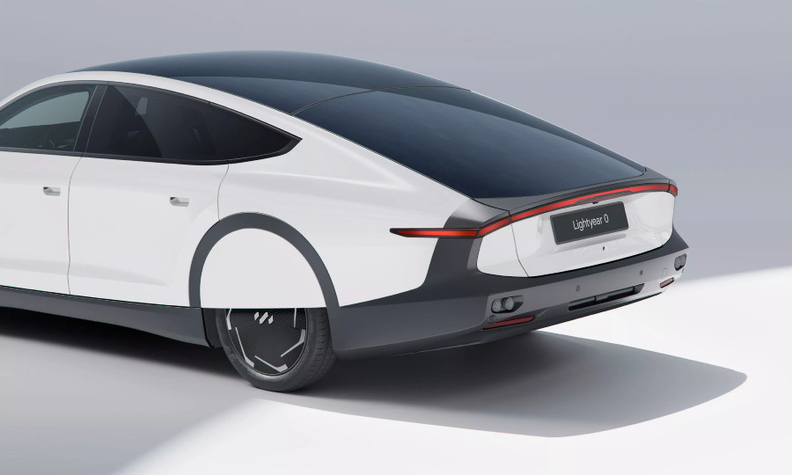
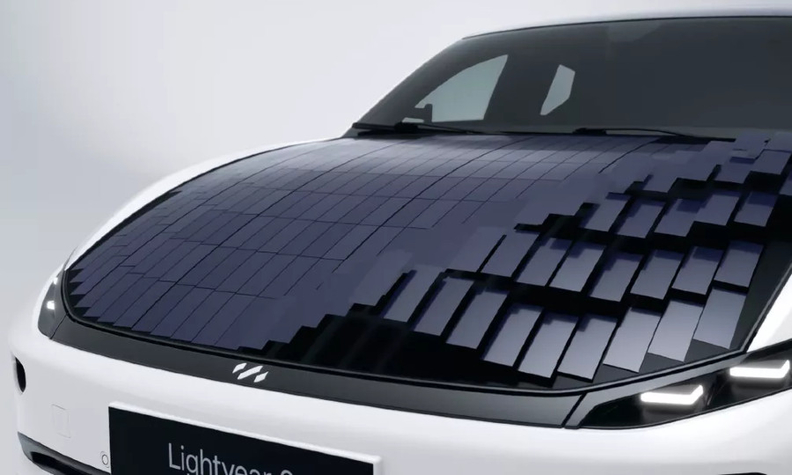
The car, which features curved solar panels across the hood and roof, is able to drive two months without charging in Amsterdam during summer, and as many as seven months in Portugal, according to Hoefsloot.

Sun-derived power will add as much as 70 km (43 miles) of driving range each day.

Cars powered by the sun have struggled to make it beyond the prototype stage because of the large area solar panels require.

German startup Sono Group is planning to offer its first solar car, the boxy Sion hatchback, for $26,000 before taxes, but has not yet announced production.

LIGHTYEAR

Fundraising in the early days for Lightyear was a challenge as investors were reluctant to put their money into a new concept, Hoefsloot said.

“Right now, we are at a much more mature” stage, he said, adding that the majority of investment came from the Netherlands.

Lightyear secured $84 million from a Dutch-led group of investors in September.

The company, founded in the Netherlands in 2016, has also been developing Lightyear 2, its second high-volume model, with a starting price of about $30,000.

The Lightyear 2 is expected to go into production by 2025 and has reservations from leasing and car-sharing companies LeasePlan and MyWheels, according to the company.